Electric cars have already changed how people think about transportation, but another development could make them even more appealing: using sunlight to help power the vehicle itself. Instead of depending entirely on electricity from a charging station or home outlet, solar-powered electric cars can collect energy from the sun through panels integrated into their bodywork.
In 2026, this idea is moving beyond experimental designs and into a more serious stage of development. Automakers and technology companies are exploring how solar cells, lightweight materials, efficient motors, and improved battery systems can work together to make electric mobility more convenient.
However, an important question remains. Can solar-powered electric cars become a practical choice for everyday drivers, or will they remain a specialized option for people interested in sustainable technology?
Recent developments suggest that the technology is progressing, but manufacturing costs, weather conditions, vehicle design, and production capacity will determine how quickly it reaches a wider market.
What Makes a Solar-Powered Electric Car Different?
A conventional electric vehicle stores electricity in a battery and uses an electric motor to move. The electricity usually comes from a home charger, public charging station, or another external power source.
A solar-powered electric car adds another way to collect energy. Solar cells installed on suitable surfaces convert sunlight into electricity, which can be used to charge the vehicle’s battery.
The key difference is that solar panels generally supplement the battery rather than replace the need for charging infrastructure.
Depending on the vehicle’s design, sunlight may help power the car’s daily journeys, reduce the frequency of charging, or provide additional energy when the vehicle is parked outdoors. The amount of energy collected varies with sunlight intensity, panel efficiency, parking conditions, and the area available for solar cells.
This approach could be particularly useful for drivers who make short daily trips and regularly park in sunny locations.
Why Solar Electric Cars Are Getting Attention in 2026
The growing interest in solar-powered vehicles reflects a wider effort to make electric transportation more efficient. Manufacturers are looking beyond larger batteries and faster charging to explore ways of reducing how much energy a vehicle needs in the first place.
Three developments are especially important.
More efficient vehicle designs: Aerodynamic body shapes can reduce air resistance, helping a vehicle travel farther with less energy. This is particularly valuable for solar electric cars because the energy collected from their panels is limited.
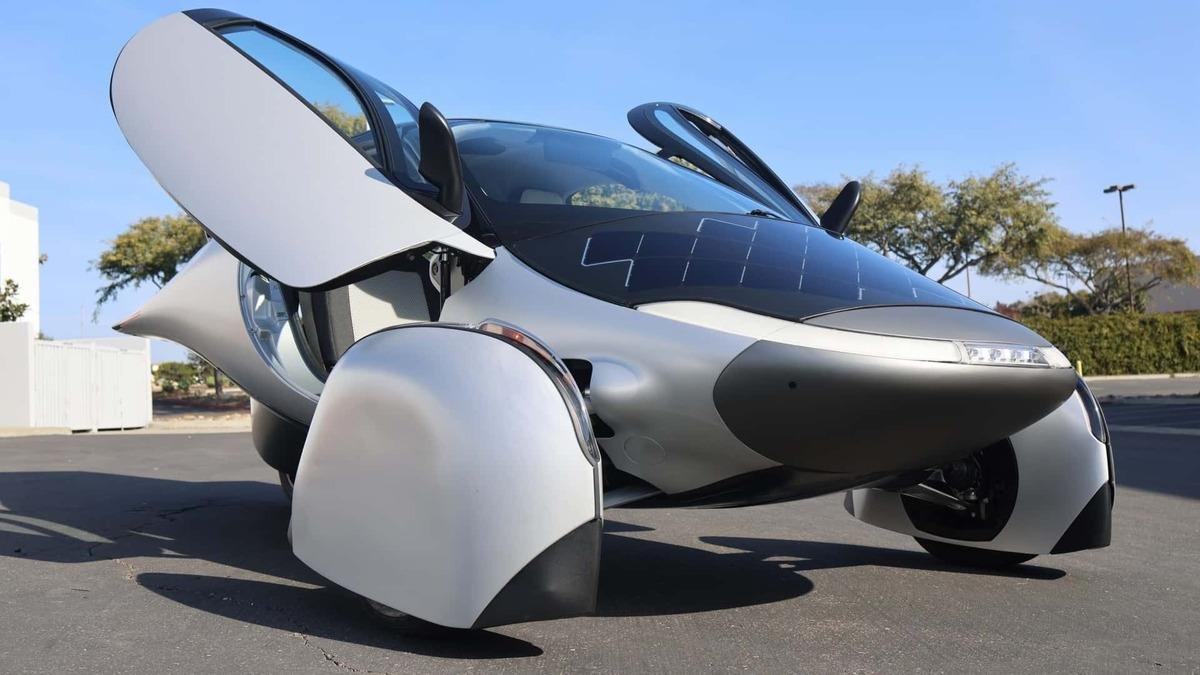
Better solar technology: Improvements in solar cells and their integration into vehicle surfaces may allow cars to capture useful energy without relying entirely on conventional roof-mounted panels.
Smarter energy management: Modern battery controls and vehicle electronics can help manage the electricity collected from solar panels and used during driving. These systems must balance energy consumption, battery performance, and charging requirements.
Together, these improvements could make solar-assisted electric vehicles more useful. However, their real-world value depends on the performance of the complete vehicle rather than any single technology.
Aptera’s Solar Electric Car Moves Closer to Production
One of the most closely watched examples in this emerging market is Aptera, a company developing an aerodynamic, three-wheeled solar electric vehicle.
In July 2026, Aptera announced that its Launch Edition had received a Certificate of Conformity from the US Environmental Protection Agency. This marked an important regulatory milestone, although additional vehicle-safety compliance work remained necessary before customer deliveries could begin.
In August 2026, the company also announced results from testing conducted by TÜV Rheinland. According to Aptera, the vehicle delivered more than 4 kilowatt-hours of usable solar energy to its battery on each of three consecutive test days.
That result is notable because it provides a measured example of how much energy the vehicle’s solar system can collect under specific testing conditions. It should not be interpreted as a guaranteed daily result for every owner: sunlight, season, location, parking position, and other conditions can affect solar generation.
The company also ordered major body and chassis components for its first 40 production vehicles in August. On October 1, 2026, Aptera said it planned to begin building those vehicles by the end of the year, with early customer deliveries targeted for 2027, subject to financing, supplier performance, and regulatory requirements.
These are meaningful steps, but they do not mean that mass production has already been achieved. Aptera’s progress illustrates both the promise of solar mobility and the difficulty of turning an innovative vehicle into a commercially sustainable product.
Sources: Aptera’s EPA certification announcement, independent solar testing announcement, and October 2026 production update.
Can Solar Panels Replace Traditional EV Charging?
For most drivers, the realistic answer is not yet. Solar panels can contribute electricity, but the amount they produce is constrained by the size of the panels and the sunlight available.
A car has much less surface area for solar panels than a typical home rooftop. It also needs energy for acceleration, maintaining speed, climate control, and other systems. Driving on highways, in heavy traffic, or during cold weather can create energy demands that solar generation cannot consistently cover.
Consider a driver who parks outdoors throughout a sunny day. Their vehicle may collect useful additional energy while stationary. Another driver who parks in an underground garage or spends much of the day in shaded areas may collect significantly less.
Solar charging should therefore be viewed as a way to supplement an electric vehicle’s energy supply, not as a universal replacement for plugging in.
The most useful measure is not whether a car can run on sunlight under ideal conditions, but how much energy its solar system contributes over weeks and months of ordinary use.
The Biggest Benefits of Solar-Powered Electric Cars
Solar-assisted electric vehicles offer several potential advantages that could make them attractive to particular drivers.
Reduced dependence on external charging: In suitable conditions, solar generation can add energy to the battery while the car is parked. This may reduce how often some owners need to connect their vehicles to a charger.
Potential savings on electricity: Energy generated by the vehicle’s panels may reduce the amount of electricity purchased for driving. The actual savings depend on solar output, electricity prices, vehicle efficiency, and driving habits.
Better use of renewable energy: Solar charging can provide an additional source of renewable electricity for transportation. The overall environmental benefit still depends on manufacturing, battery production, electricity use, and the vehicle’s lifetime.
A new direction for vehicle engineering: Solar cars encourage manufacturers to reconsider aerodynamic efficiency, vehicle weight, energy consumption, and how much surface area can be used to collect power.
These advantages are promising, but buyers should evaluate real-world performance and the complete cost of ownership rather than assuming that solar panels automatically make a vehicle cheaper or more sustainable.
Why Solar Electric Cars Are Not Mainstream Yet
Despite their potential, solar-powered electric cars face several obstacles before they can compete broadly with conventional electric vehicles.
Limited Space for Solar Panels
A car’s exterior cannot collect as much solar energy as a large rooftop installation. Designers must balance the available panel area with passenger comfort, visibility, crash protection, aerodynamics, and the vehicle’s appearance.
Weather and Parking Conditions
Solar generation changes with the seasons, cloud cover, shade, and geographic location. Drivers cannot rely on the same amount of solar energy every day, particularly in areas with long periods of poor weather or limited outdoor parking.
Manufacturing and Repair Costs
Integrating solar cells into curved vehicle surfaces can add complexity to production. Manufacturers must also consider durability, repairs, replacement costs, and how the panels perform over the vehicle’s lifetime.
Production and Financial Challenges
A working prototype is only one part of launching a successful vehicle. Manufacturers must secure funding, establish dependable supply chains, meet regulatory requirements, and build enough vehicles at a competitive cost.
Aptera’s October 2026 update illustrates this challenge: its production plans remain tied to financing and manufacturing milestones. The ability to deliver an initial batch of vehicles does not automatically establish that a company can sustain high-volume production.
Who Could Benefit Most From a Solar Electric Car?
Solar-powered electric cars may initially make the most sense for drivers whose routines match the technology’s strengths.
People who travel relatively short distances, park in sunny outdoor locations, and own a highly efficient vehicle could benefit from additional solar energy. Urban drivers may also find solar assistance useful if their daily journeys require relatively little electricity.
Fleet operators could be another group worth watching. Businesses that keep vehicles parked outdoors for extended periods may be able to evaluate solar generation across many vehicles and determine whether the energy savings justify the additional cost.
By contrast, drivers who regularly travel long distances, park indoors, or operate in regions with limited sunshine may receive less benefit. They would still need dependable access to conventional charging.
Ultimately, the best use case will depend on the vehicle’s measured performance and the driver’s actual needs rather than the appeal of solar technology alone.
What Needs to Happen Before Solar Cars Become Mainstream?
Wider adoption will require progress in several areas.
First, manufacturers need to demonstrate reliable solar-energy generation under ordinary driving and parking conditions. Independent testing across different climates can help buyers understand the likely benefits more clearly.
Second, production costs must become competitive. Solar components need to be durable, practical to repair, and affordable enough to justify their contribution to vehicle performance.
Third, manufacturers must deliver vehicles consistently and establish dependable customer support. A promising design cannot achieve widespread adoption without production capacity, regulatory compliance, and long-term service arrangements.
Finally, buyers need transparent information about solar range, charging requirements, battery warranties, and total ownership costs. Clear data will help people compare solar-assisted EVs with conventional electric cars on equal terms.
These changes will take time, but they will provide a stronger foundation for the technology than bold promises about driving entirely on sunshine.
The Future of Solar-Powered Electric Cars
Solar-powered electric cars are becoming a more credible part of the electric-mobility conversation. Developments such as Aptera’s solar-energy testing and progress toward its first production vehicles show that manufacturers are working to move the technology closer to real-world use.
Still, the industry’s next challenge is proving that these vehicles can be produced reliably, priced competitively, and used conveniently by ordinary drivers.
Solar power is unlikely to eliminate the need for conventional EV charging in the near future. Its more immediate opportunity is to add useful energy, improve efficiency, and make some electric vehicles less dependent on external charging.
As solar cells, batteries, vehicle designs, and manufacturing processes improve, the role of solar assistance may expand. Whether solar electric cars become mainstream will ultimately depend on measurable performance, affordability, reliability, and consumer demand.
The future is promising, but the most important milestone will be when solar-powered vehicles move from an exciting engineering achievement to a practical choice that works consistently in everyday life.
Frequently Asked Questions
1. Are solar-powered electric cars available in 2026?
Solar-powered electric vehicles are progressing toward wider availability, but production and delivery timelines vary by manufacturer. Buyers should check current availability in their country before making a purchase.
2. Can solar-powered electric cars run without charging?
Most solar-powered electric cars still need conventional charging. Their integrated solar panels provide additional electricity, helping extend driving range or reduce the frequency of plugging in under suitable conditions.
3. How much energy can solar panels generate on an electric car?
Solar energy production depends on panel size, efficiency, sunlight, weather, and parking conditions. The amount of electricity generated can vary considerably from one day to another.
4. Will solar-powered electric cars become mainstream?
Solar electric cars could become more popular as solar technology improves and manufacturing costs decrease. Wider adoption will depend on affordability, reliable production, practical driving range, and consumer demand.